
Moving city resets your social life to zero, and adult life gives you none of the scaffolding that school and university did. No shared timetable, no accidental proximity, no default group.
What replaces it is deliberate repetition. Here's the plan that works, roughly in order.
What actually works
Step 01
Weeks 1–2: choose two commitments
One weekly, one monthly, both close to home. Deciding once is the whole trick — you'll never win a weekly argument with yourself about whether to go out.
Step 02
Weeks 3–6: show up, don't evaluate
Early sessions feel awkward for everybody. Treat this stretch as attendance, not assessment, and stop asking whether you've found your people yet.
Step 03
Weeks 6–10: start making the invitations
By now you'll recognise a few faces. Be the one who suggests a coffee, a walk, a Saturday lunch — specific day, specific place.
Step 04
Months 3–6: narrow down
Keep what you look forward to, drop what you dread. Two or three real friendships from a season of effort is a genuinely good result.
Step 05
Throughout: make it easy on yourself
Close to home, on a fixed day, hosted, capped in size. Every bit of friction you remove doubles the chance you keep going.
Step 06
Throughout: expect the dip
Around week four most people conclude it isn't working. It usually is; it's just slower than the films suggest.
What to look for when you're choosing something to join
- It repeats on a schedule rather than being a one-off
- It's within about half an hour of home
- Someone hosts it and introductions are part of the format
- Numbers are capped so you can actually talk
- There's an activity, so silence isn't your problem to solve
- The calendar has enough variety that you can skip a month without dropping out
Actually Social
The shortcut: let someone else organise it
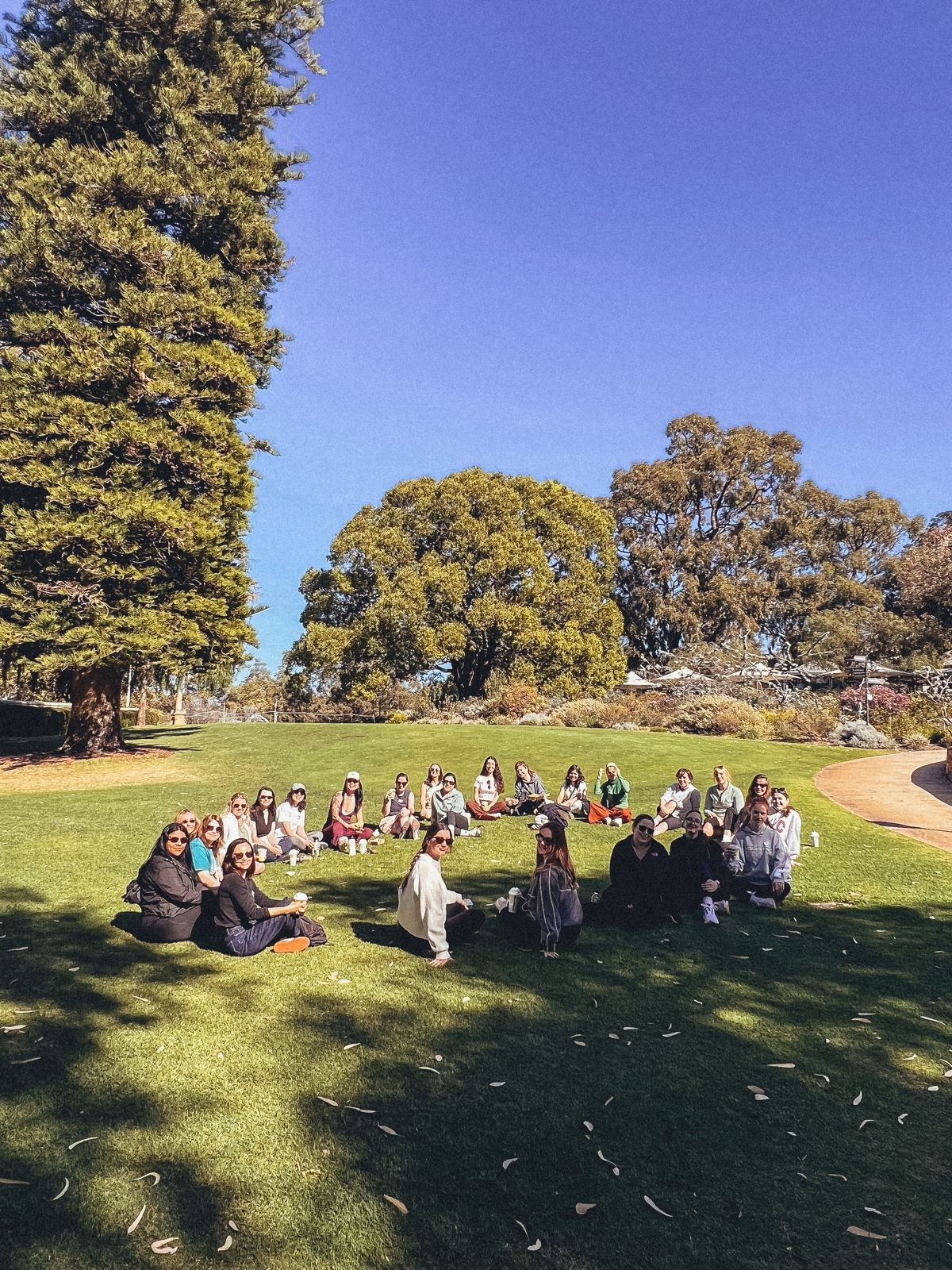
Actually Social is a women's social club built for turning up on your own — a monthly calendar of hosted plans in your city, with numbers capped and a host who makes the introductions.
Find your cityCommon questions
How long does it take to make friends in a new city?
Expect three months of consistent effort before it feels settled, and around six before you'd call someone a close friend. Most people give up at week four, which is the point it usually starts working.
How do adults make friends without work or school?
By manufacturing repetition. Join something that recurs on a fixed day, near where you live, then keep going long enough to become a familiar face.
What's the best way to meet people after moving alone?
Hosted, capped, recurring events. Going alone is normal at these, and the host does the introductions you'd otherwise have to engineer yourself.